PLEASE BE AWARE THIS WEBSITE IS CURRENTLY UPDATING & WILL NOT WORK. WE HOPE TO BE BACK ONLINE WITH NEW PRODUCTS AND SESSIONS WK COMM 22 JUNE 2026!
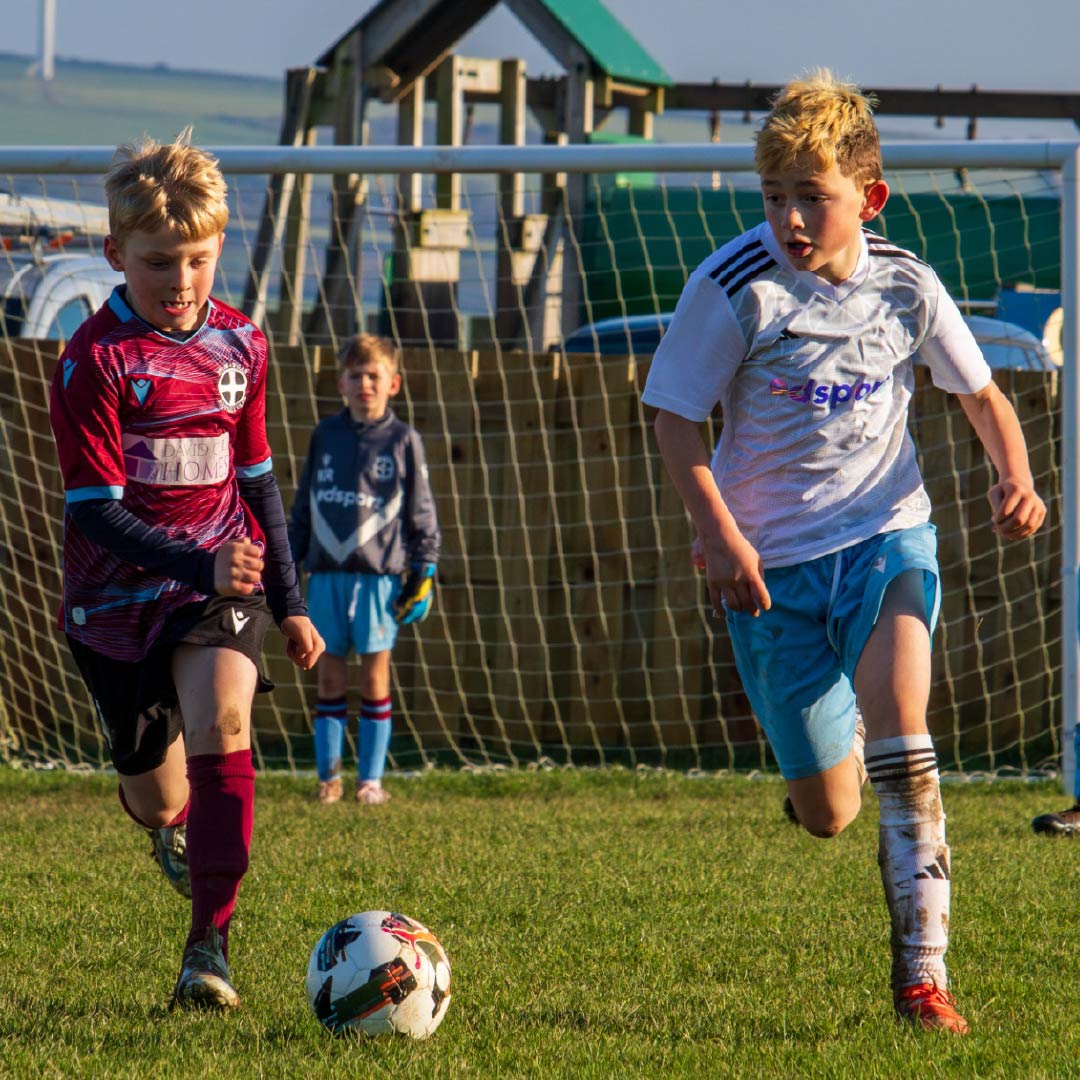
Developing skilled players. Shaping exceptional people.

At our core, we're so much more than just about skills on the field.

We believe sport is the foundation for a lifelong passion for staying active, a healthy lifestyle, and the building blocks of a positive future.

Every session is designed not only to develop ability and confidence, but also to nurture teamwork, respect, and resilience — qualities that last long after the final whistle.

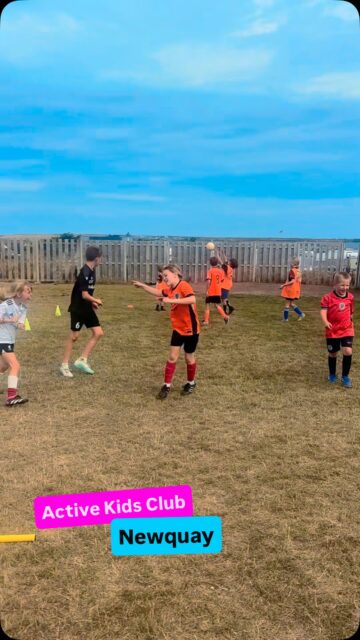
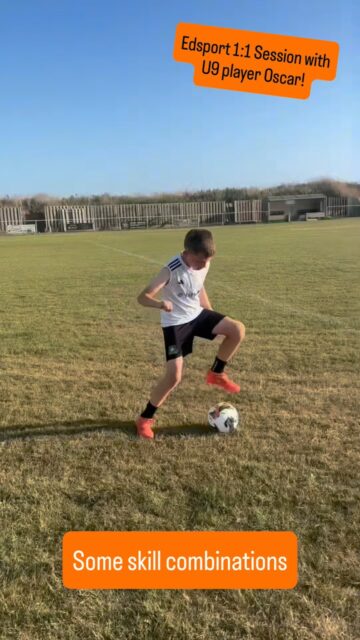
Our training sessions are designed to elevate players at every level, focusing on core sporting skills such as passing, dribbling, positioning, decision‑making, and tactical awareness.

But at Edsport, skill development is only the beginning...

We use sports as a tool to instill the values that matter most teamwork, respect, discipline, resilience, leadership, and self‑belief. Every drill, challenge, and match situation is an opportunity to learn something meaningful about the game and about yourself.

More than coaching. A journey

Why Choose Edsport?

Whether your child dream of becoming a top-level sportsperson or simply wants to enjoy the gamewhile developing essential life skills, Edsport offers an environment where they can thrive.

Every session is built to:

  • Inspire passion and enjoyment
  • Encourage creativity and smart decision making
  • Strengthen mental resillience
  • Promote possitive relationships
  • Build a strong sense of character and self worth


Building Confidence & Character.

From celebrating small wins to overcoming obstacles, we help players grow in confidence- on the pitch and in everyday life.

A Culture of Teamwork & Respect.

Football is a team sport, and we emphasise the values that make great teammates and great people: cooperation, communication, respect & fair play.

Inspiring Future Leaders.

Through guided challenges, responsibility roles, and positive mentoring players learn leadership skills that stay with them for life.

The edsport website is currently being updated!

We are updating our website - adding more products and services for players, clubs and coaches. We hope to be back online in the next couple of days - in the meantime please fll out the contact form and someone will get back to you within 24 hours!

Contact Us
First
Last

Contact Us

Contact Us
First
Last

Follow us on social media

  • Great things from St Mawgan U9s

✅ Another final
❌ All the way to the final without conceding a goal
✅ Great sportsmanship 

Keep up the good work ♥️ 

———

🗞️ Sharon Wood Tournament – St Mawgan Youth U9s

A chilly start soon turned into a hot, sunny day with a brilliant atmosphere at the Sharon Wood Tournament.

St Mawgan got off to the perfect start by beating our recent nemesis, MAP, thanks to some excellent passing football and clinical finishing. The boys carried that form throughout the day, producing some fantastic team play alongside moments of individual quality.

After seven group games, St Mawgan finished top of the table with six wins, one 0-0 draw, and remarkably, without conceding a single goal.

Another superb performance in the semi-final secured a place in the final—still with a perfect defensive record.

The final saw another meeting with MAP. A brilliant free kick gave St Mawgan the lead, but MAP found a late equaliser before edging extra time with a long-range effort. Despite pushing hard until the end, it just wasn’t to be.

Another tournament final that hasn’t gone our way, but this team continues to grow and improve.

The perfect ending came from the tournament organisers, who praised the team for having one of the best group-stage records of the entire tournament and, more importantly, for being one of the most respectful and well-behaved teams there.

That is winning ♥️🩵
  • ⏳Time is running out to book the summer holiday fun sessions with only a couple of spaces left! 

EdSport is back this summer with 5 weeks of full-day football / multi-sport camps in Cornwall — packed with games, coaching, competitions and loads of fun!

📅 Mondays • Thursdays • Fridays
🗓️ 27th July – 28th August 2026
⏰ 9am - 3pm

⚽ What’s included:

• Full-day football coaching
• Matches & tournaments
• Skills challenges & prizes
• Fun games & team activities
• Safe, structured environment for all abilities

This is your chance to give kids an unforgettable summer of football at an incredible price — but spaces will go fast!

Please complete the form below to book your space! This event will not be done on Spond due to the number of dates. 

https://forms.gle/6guSibfTDYeq89hV9

Any issues please don’t hesitate to ask ♥️
  • H🧠 Fear of Failure in Sport: Why Teams Sit Back — From England Last Night to Kids Every Weekend

When England went ahead last night and suddenly looked hesitant, it wasn’t just tactics — it was psychology. What you saw is one of the most recognised patterns in sport: fear of failure. It affects elite players and kids on a Sunday morning in Cornwall.

Research shows fear of failure is one of the strongest predictors of performance anxiety (Sagar & Stoeber, 2009). It’s driven by worries about shame, judgement, and letting others down. Under pressure, athletes shift from play to win to don’t mess up, which slows decisions, reduces working memory, and leads to risk‑avoidant behaviour — sitting deep, clearing the ball aimlessly, or avoiding creative passes.

Teams sit back for predictable reasons: pressure narrows attention, kids fear disappointing adults, and perfectionism makes players avoid errors instead of seeking opportunities. The brain treats losing the lead as a threat, triggering caution and reactive play. This is the psychology of playing not to lose.

England didn’t just lose — they froze. When athletes worry about mistakes, they stop playing forward and start protecting what they have. Creativity drops, bravery disappears, and pressure takes over. Kids retreat into “safe mode” even faster.

But fear of failure is preventable. Growth mindset training reframes mistakes as learning. Self‑compassion reduces anxiety. Autonomy‑supportive coaching lowers fear of judgement. Mindfulness improves attentional control. Mastery‑focused environments emphasise effort and bravery over outcomes. Elite academies also use error‑normalisation drills to reduce shame and build resilience.

These approaches keep athletes in attack mode, not protect‑the‑lead mode. They build players who stay bold and expressive under pressure — whether they’re wearing an England shirt or playing in Newquay.

Bravery is trained. Confidence is coached. Fear of failure is preventable.
Play forward. Play free.

#football #sportspyschology #youthsoorts #soccer #cornwall
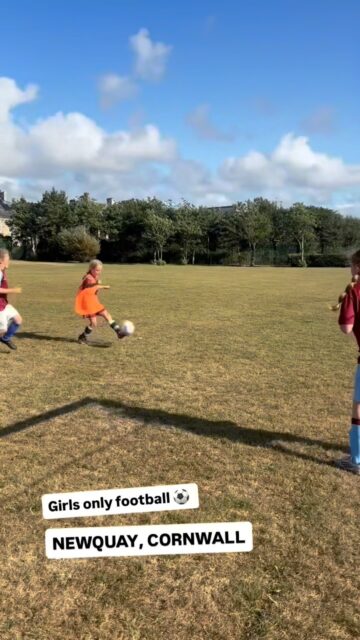
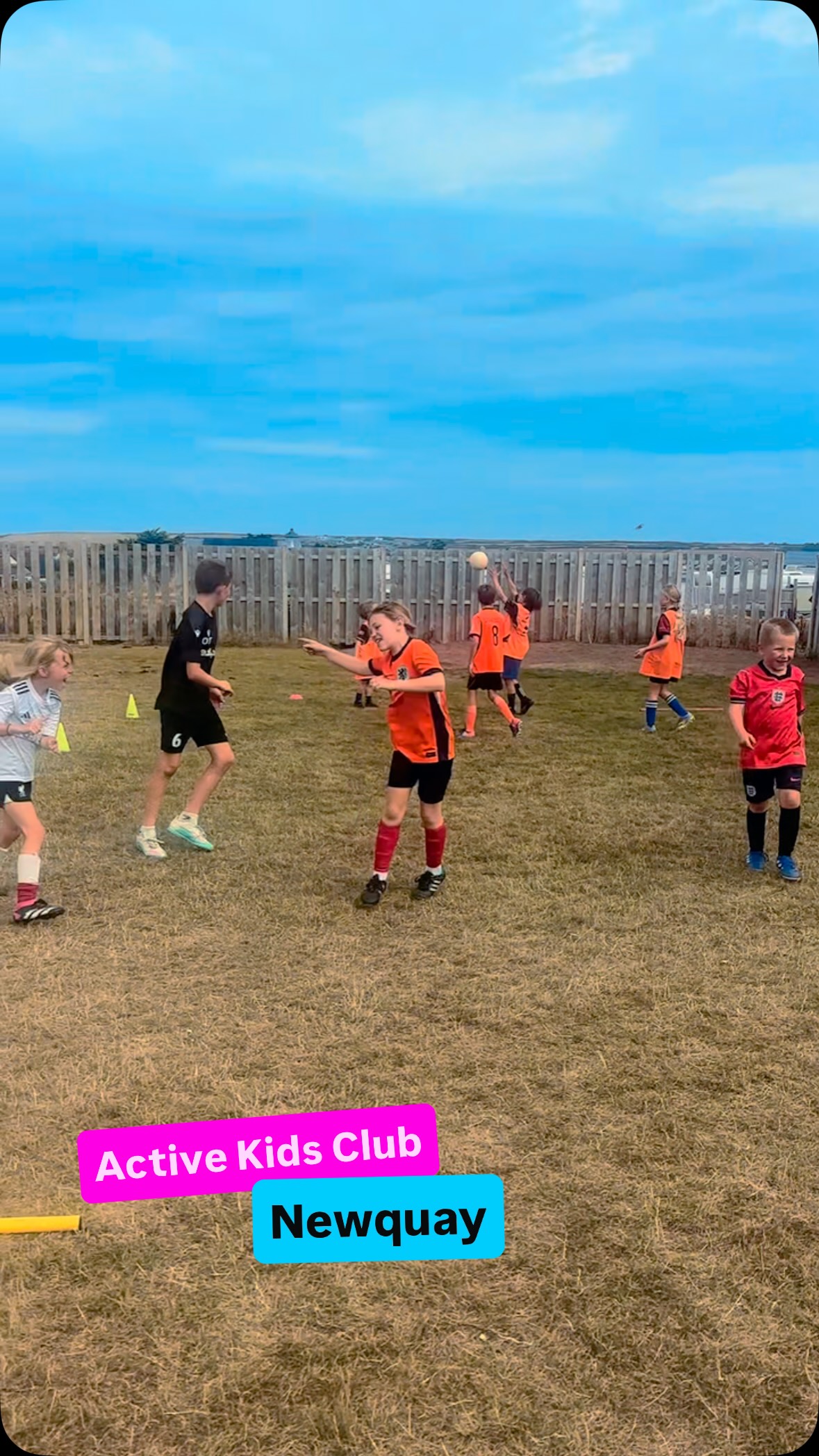
  • Something different to finish off and cool down after a hot girls only training session 😎 

It’s amazing to see how much these talented girls are improving every week! 🙌 

#girlsfootball #whatsoncornwall #football #lovesoccer #thisgirlcan
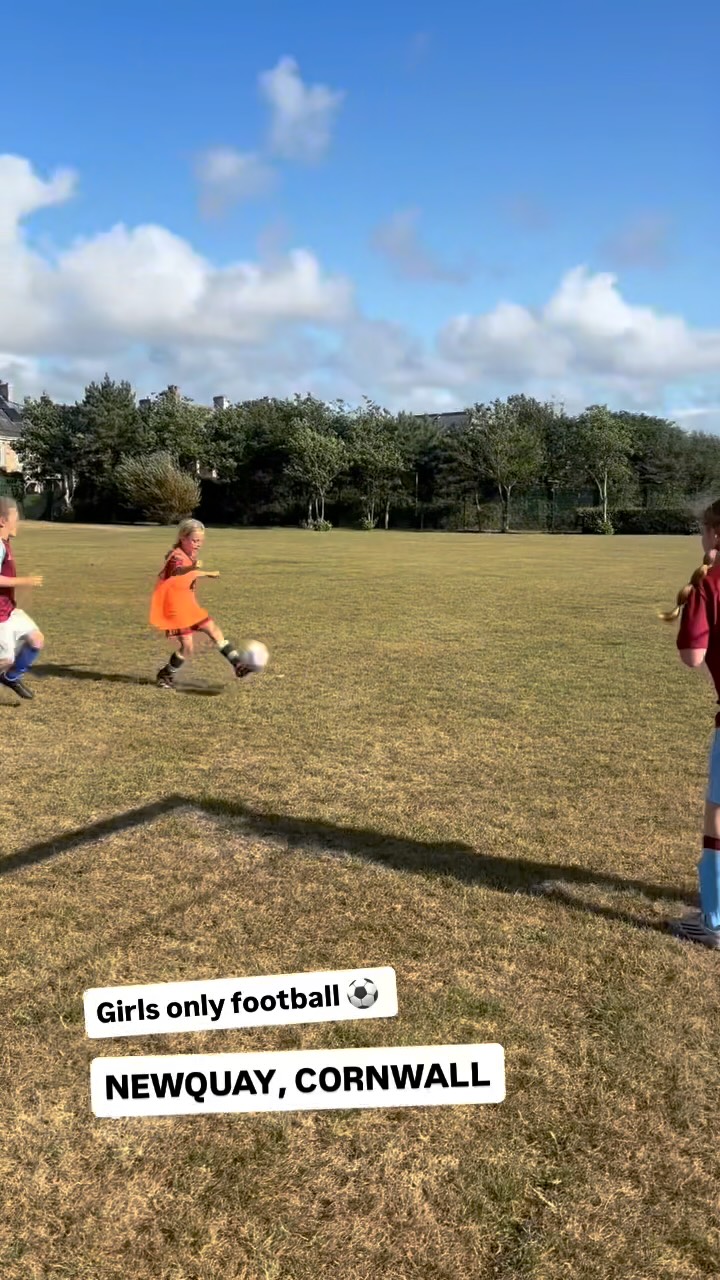
  • Great girls only session tonight ⚽️ 💪 

Well done to Anja for winning player of the week 🏆 

It’s amazing to see all the girls not only having fun, and making friends - but developing as great footballers 🙌 

#newquay #cornwall #girlsfootball #thisgirlcan #grassrootsfootball
  • 🚨 MEGA SALE 🚨 

Get this Errea teamwear jersey with custom printing and delivery for only £9.99!! 

✅ FREE SPONSOR PRINTING
✅ FREE JERSEY NUMBER PRINTING
✅ FREE DELIVERY

🙌 Over 20 colour combinations available in both adult and youth sizes! 

Message us for more information ♥️ 

#teamsports #cornwalllife #TeamSports #kidsinsport #kidsfootball #newquay #whatsoncornwall #lovesport #kidsfootballcoaching #youthfootball #football #cornwall #SchoolSport
Great things from St Mawgan U9s

✅ Another final
❌ All the way to the final without conceding a goal
✅ Great sportsmanship 

Keep up the good work ♥️ 

———

🗞️ Sharon Wood Tournament – St Mawgan Youth U9s

A chilly start soon turned into a hot, sunny day with a brilliant atmosphere at the Sharon Wood Tournament.

St Mawgan got off to the perfect start by beating our recent nemesis, MAP, thanks to some excellent passing football and clinical finishing. The boys carried that form throughout the day, producing some fantastic team play alongside moments of individual quality.

After seven group games, St Mawgan finished top of the table with six wins, one 0-0 draw, and remarkably, without conceding a single goal.

Another superb performance in the semi-final secured a place in the final—still with a perfect defensive record.

The final saw another meeting with MAP. A brilliant free kick gave St Mawgan the lead, but MAP found a late equaliser before edging extra time with a long-range effort. Despite pushing hard until the end, it just wasn’t to be.

Another tournament final that hasn’t gone our way, but this team continues to grow and improve.

The perfect ending came from the tournament organisers, who praised the team for having one of the best group-stage records of the entire tournament and, more importantly, for being one of the most respectful and well-behaved teams there.

That is winning ♥️🩵
Great things from St Mawgan U9s ✅ Another final ❌ All the way to the final without conceding a goal ✅ Great sportsmanship Keep up the good work ♥️ ——— 🗞️ Sharon Wood Tournament – St Mawgan Youth U9s A chilly start soon turned into a hot, sunny day with a brilliant atmosphere at the Sharon Wood Tournament. St Mawgan got off to the perfect start by beating our recent nemesis, MAP, thanks to some excellent passing football and clinical finishing. The boys carried that form throughout the day, producing some fantastic team play alongside moments of individual quality. After seven group games, St Mawgan finished top of the table with six wins, one 0-0 draw, and remarkably, without conceding a single goal. Another superb performance in the semi-final secured a place in the final—still with a perfect defensive record. The final saw another meeting with MAP. A brilliant free kick gave St Mawgan the lead, but MAP found a late equaliser before edging extra time with a long-range effort. Despite pushing hard until the end, it just wasn’t to be. Another tournament final that hasn’t gone our way, but this team continues to grow and improve. The perfect ending came from the tournament organisers, who praised the team for having one of the best group-stage records of the entire tournament and, more importantly, for being one of the most respectful and well-behaved teams there. That is winning ♥️🩵
3 hours ago
View on Instagram |
1/6
⏳Time is running out to book the summer holiday fun sessions with only a couple of spaces left! 

EdSport is back this summer with 5 weeks of full-day football / multi-sport camps in Cornwall — packed with games, coaching, competitions and loads of fun!

📅 Mondays • Thursdays • Fridays
🗓️ 27th July – 28th August 2026
⏰ 9am - 3pm

⚽ What’s included:

• Full-day football coaching
• Matches & tournaments
• Skills challenges & prizes
• Fun games & team activities
• Safe, structured environment for all abilities

This is your chance to give kids an unforgettable summer of football at an incredible price — but spaces will go fast!

Please complete the form below to book your space! This event will not be done on Spond due to the number of dates. 

https://forms.gle/6guSibfTDYeq89hV9

Any issues please don’t hesitate to ask ♥️
⏳Time is running out to book the summer holiday fun sessions with only a couple of spaces left! EdSport is back this summer with 5 weeks of full-day football / multi-sport camps in Cornwall — packed with games, coaching, competitions and loads of fun! 📅 Mondays • Thursdays • Fridays 🗓️ 27th July – 28th August 2026 ⏰ 9am - 3pm ⚽ What’s included: • Full-day football coaching • Matches & tournaments • Skills challenges & prizes • Fun games & team activities • Safe, structured environment for all abilities This is your chance to give kids an unforgettable summer of football at an incredible price — but spaces will go fast! Please complete the form below to book your space! This event will not be done on Spond due to the number of dates. https://forms.gle/6guSibfTDYeq89hV9 Any issues please don’t hesitate to ask ♥️
4 days ago
View on Instagram |
2/6
H🧠 Fear of Failure in Sport: Why Teams Sit Back — From England Last Night to Kids Every Weekend

When England went ahead last night and suddenly looked hesitant, it wasn’t just tactics — it was psychology. What you saw is one of the most recognised patterns in sport: fear of failure. It affects elite players and kids on a Sunday morning in Cornwall.

Research shows fear of failure is one of the strongest predictors of performance anxiety (Sagar & Stoeber, 2009). It’s driven by worries about shame, judgement, and letting others down. Under pressure, athletes shift from play to win to don’t mess up, which slows decisions, reduces working memory, and leads to risk‑avoidant behaviour — sitting deep, clearing the ball aimlessly, or avoiding creative passes.

Teams sit back for predictable reasons: pressure narrows attention, kids fear disappointing adults, and perfectionism makes players avoid errors instead of seeking opportunities. The brain treats losing the lead as a threat, triggering caution and reactive play. This is the psychology of playing not to lose.

England didn’t just lose — they froze. When athletes worry about mistakes, they stop playing forward and start protecting what they have. Creativity drops, bravery disappears, and pressure takes over. Kids retreat into “safe mode” even faster.

But fear of failure is preventable. Growth mindset training reframes mistakes as learning. Self‑compassion reduces anxiety. Autonomy‑supportive coaching lowers fear of judgement. Mindfulness improves attentional control. Mastery‑focused environments emphasise effort and bravery over outcomes. Elite academies also use error‑normalisation drills to reduce shame and build resilience.

These approaches keep athletes in attack mode, not protect‑the‑lead mode. They build players who stay bold and expressive under pressure — whether they’re wearing an England shirt or playing in Newquay.

Bravery is trained. Confidence is coached. Fear of failure is preventable.
Play forward. Play free.

#football #sportspyschology #youthsoorts #soccer #cornwall
H🧠 Fear of Failure in Sport: Why Teams Sit Back — From England Last Night to Kids Every Weekend

When England went ahead last night and suddenly looked hesitant, it wasn’t just tactics — it was psychology. What you saw is one of the most recognised patterns in sport: fear of failure. It affects elite players and kids on a Sunday morning in Cornwall.

Research shows fear of failure is one of the strongest predictors of performance anxiety (Sagar & Stoeber, 2009). It’s driven by worries about shame, judgement, and letting others down. Under pressure, athletes shift from play to win to don’t mess up, which slows decisions, reduces working memory, and leads to risk‑avoidant behaviour — sitting deep, clearing the ball aimlessly, or avoiding creative passes.

Teams sit back for predictable reasons: pressure narrows attention, kids fear disappointing adults, and perfectionism makes players avoid errors instead of seeking opportunities. The brain treats losing the lead as a threat, triggering caution and reactive play. This is the psychology of playing not to lose.

England didn’t just lose — they froze. When athletes worry about mistakes, they stop playing forward and start protecting what they have. Creativity drops, bravery disappears, and pressure takes over. Kids retreat into “safe mode” even faster.

But fear of failure is preventable. Growth mindset training reframes mistakes as learning. Self‑compassion reduces anxiety. Autonomy‑supportive coaching lowers fear of judgement. Mindfulness improves attentional control. Mastery‑focused environments emphasise effort and bravery over outcomes. Elite academies also use error‑normalisation drills to reduce shame and build resilience.

These approaches keep athletes in attack mode, not protect‑the‑lead mode. They build players who stay bold and expressive under pressure — whether they’re wearing an England shirt or playing in Newquay.

Bravery is trained. Confidence is coached. Fear of failure is preventable.
Play forward. Play free.

#football #sportspyschology #youthsoorts #soccer #cornwall
H🧠 Fear of Failure in Sport: Why Teams Sit Back — From England Last Night to Kids Every Weekend

When England went ahead last night and suddenly looked hesitant, it wasn’t just tactics — it was psychology. What you saw is one of the most recognised patterns in sport: fear of failure. It affects elite players and kids on a Sunday morning in Cornwall.

Research shows fear of failure is one of the strongest predictors of performance anxiety (Sagar & Stoeber, 2009). It’s driven by worries about shame, judgement, and letting others down. Under pressure, athletes shift from play to win to don’t mess up, which slows decisions, reduces working memory, and leads to risk‑avoidant behaviour — sitting deep, clearing the ball aimlessly, or avoiding creative passes.

Teams sit back for predictable reasons: pressure narrows attention, kids fear disappointing adults, and perfectionism makes players avoid errors instead of seeking opportunities. The brain treats losing the lead as a threat, triggering caution and reactive play. This is the psychology of playing not to lose.

England didn’t just lose — they froze. When athletes worry about mistakes, they stop playing forward and start protecting what they have. Creativity drops, bravery disappears, and pressure takes over. Kids retreat into “safe mode” even faster.

But fear of failure is preventable. Growth mindset training reframes mistakes as learning. Self‑compassion reduces anxiety. Autonomy‑supportive coaching lowers fear of judgement. Mindfulness improves attentional control. Mastery‑focused environments emphasise effort and bravery over outcomes. Elite academies also use error‑normalisation drills to reduce shame and build resilience.

These approaches keep athletes in attack mode, not protect‑the‑lead mode. They build players who stay bold and expressive under pressure — whether they’re wearing an England shirt or playing in Newquay.

Bravery is trained. Confidence is coached. Fear of failure is preventable.
Play forward. Play free.

#football #sportspyschology #youthsoorts #soccer #cornwall
H🧠 Fear of Failure in Sport: Why Teams Sit Back — From England Last Night to Kids Every Weekend

When England went ahead last night and suddenly looked hesitant, it wasn’t just tactics — it was psychology. What you saw is one of the most recognised patterns in sport: fear of failure. It affects elite players and kids on a Sunday morning in Cornwall.

Research shows fear of failure is one of the strongest predictors of performance anxiety (Sagar & Stoeber, 2009). It’s driven by worries about shame, judgement, and letting others down. Under pressure, athletes shift from play to win to don’t mess up, which slows decisions, reduces working memory, and leads to risk‑avoidant behaviour — sitting deep, clearing the ball aimlessly, or avoiding creative passes.

Teams sit back for predictable reasons: pressure narrows attention, kids fear disappointing adults, and perfectionism makes players avoid errors instead of seeking opportunities. The brain treats losing the lead as a threat, triggering caution and reactive play. This is the psychology of playing not to lose.

England didn’t just lose — they froze. When athletes worry about mistakes, they stop playing forward and start protecting what they have. Creativity drops, bravery disappears, and pressure takes over. Kids retreat into “safe mode” even faster.

But fear of failure is preventable. Growth mindset training reframes mistakes as learning. Self‑compassion reduces anxiety. Autonomy‑supportive coaching lowers fear of judgement. Mindfulness improves attentional control. Mastery‑focused environments emphasise effort and bravery over outcomes. Elite academies also use error‑normalisation drills to reduce shame and build resilience.

These approaches keep athletes in attack mode, not protect‑the‑lead mode. They build players who stay bold and expressive under pressure — whether they’re wearing an England shirt or playing in Newquay.

Bravery is trained. Confidence is coached. Fear of failure is preventable.
Play forward. Play free.

#football #sportspyschology #youthsoorts #soccer #cornwall
H🧠 Fear of Failure in Sport: Why Teams Sit Back — From England Last Night to Kids Every Weekend

When England went ahead last night and suddenly looked hesitant, it wasn’t just tactics — it was psychology. What you saw is one of the most recognised patterns in sport: fear of failure. It affects elite players and kids on a Sunday morning in Cornwall.

Research shows fear of failure is one of the strongest predictors of performance anxiety (Sagar & Stoeber, 2009). It’s driven by worries about shame, judgement, and letting others down. Under pressure, athletes shift from play to win to don’t mess up, which slows decisions, reduces working memory, and leads to risk‑avoidant behaviour — sitting deep, clearing the ball aimlessly, or avoiding creative passes.

Teams sit back for predictable reasons: pressure narrows attention, kids fear disappointing adults, and perfectionism makes players avoid errors instead of seeking opportunities. The brain treats losing the lead as a threat, triggering caution and reactive play. This is the psychology of playing not to lose.

England didn’t just lose — they froze. When athletes worry about mistakes, they stop playing forward and start protecting what they have. Creativity drops, bravery disappears, and pressure takes over. Kids retreat into “safe mode” even faster.

But fear of failure is preventable. Growth mindset training reframes mistakes as learning. Self‑compassion reduces anxiety. Autonomy‑supportive coaching lowers fear of judgement. Mindfulness improves attentional control. Mastery‑focused environments emphasise effort and bravery over outcomes. Elite academies also use error‑normalisation drills to reduce shame and build resilience.

These approaches keep athletes in attack mode, not protect‑the‑lead mode. They build players who stay bold and expressive under pressure — whether they’re wearing an England shirt or playing in Newquay.

Bravery is trained. Confidence is coached. Fear of failure is preventable.
Play forward. Play free.

#football #sportspyschology #youthsoorts #soccer #cornwall
H🧠 Fear of Failure in Sport: Why Teams Sit Back — From England Last Night to Kids Every Weekend

When England went ahead last night and suddenly looked hesitant, it wasn’t just tactics — it was psychology. What you saw is one of the most recognised patterns in sport: fear of failure. It affects elite players and kids on a Sunday morning in Cornwall.

Research shows fear of failure is one of the strongest predictors of performance anxiety (Sagar & Stoeber, 2009). It’s driven by worries about shame, judgement, and letting others down. Under pressure, athletes shift from play to win to don’t mess up, which slows decisions, reduces working memory, and leads to risk‑avoidant behaviour — sitting deep, clearing the ball aimlessly, or avoiding creative passes.

Teams sit back for predictable reasons: pressure narrows attention, kids fear disappointing adults, and perfectionism makes players avoid errors instead of seeking opportunities. The brain treats losing the lead as a threat, triggering caution and reactive play. This is the psychology of playing not to lose.

England didn’t just lose — they froze. When athletes worry about mistakes, they stop playing forward and start protecting what they have. Creativity drops, bravery disappears, and pressure takes over. Kids retreat into “safe mode” even faster.

But fear of failure is preventable. Growth mindset training reframes mistakes as learning. Self‑compassion reduces anxiety. Autonomy‑supportive coaching lowers fear of judgement. Mindfulness improves attentional control. Mastery‑focused environments emphasise effort and bravery over outcomes. Elite academies also use error‑normalisation drills to reduce shame and build resilience.

These approaches keep athletes in attack mode, not protect‑the‑lead mode. They build players who stay bold and expressive under pressure — whether they’re wearing an England shirt or playing in Newquay.

Bravery is trained. Confidence is coached. Fear of failure is preventable.
Play forward. Play free.

#football #sportspyschology #youthsoorts #soccer #cornwall
H🧠 Fear of Failure in Sport: Why Teams Sit Back — From England Last Night to Kids Every Weekend

When England went ahead last night and suddenly looked hesitant, it wasn’t just tactics — it was psychology. What you saw is one of the most recognised patterns in sport: fear of failure. It affects elite players and kids on a Sunday morning in Cornwall.

Research shows fear of failure is one of the strongest predictors of performance anxiety (Sagar & Stoeber, 2009). It’s driven by worries about shame, judgement, and letting others down. Under pressure, athletes shift from play to win to don’t mess up, which slows decisions, reduces working memory, and leads to risk‑avoidant behaviour — sitting deep, clearing the ball aimlessly, or avoiding creative passes.

Teams sit back for predictable reasons: pressure narrows attention, kids fear disappointing adults, and perfectionism makes players avoid errors instead of seeking opportunities. The brain treats losing the lead as a threat, triggering caution and reactive play. This is the psychology of playing not to lose.

England didn’t just lose — they froze. When athletes worry about mistakes, they stop playing forward and start protecting what they have. Creativity drops, bravery disappears, and pressure takes over. Kids retreat into “safe mode” even faster.

But fear of failure is preventable. Growth mindset training reframes mistakes as learning. Self‑compassion reduces anxiety. Autonomy‑supportive coaching lowers fear of judgement. Mindfulness improves attentional control. Mastery‑focused environments emphasise effort and bravery over outcomes. Elite academies also use error‑normalisation drills to reduce shame and build resilience.

These approaches keep athletes in attack mode, not protect‑the‑lead mode. They build players who stay bold and expressive under pressure — whether they’re wearing an England shirt or playing in Newquay.

Bravery is trained. Confidence is coached. Fear of failure is preventable.
Play forward. Play free.

#football #sportspyschology #youthsoorts #soccer #cornwall
H🧠 Fear of Failure in Sport: Why Teams Sit Back — From England Last Night to Kids Every Weekend

When England went ahead last night and suddenly looked hesitant, it wasn’t just tactics — it was psychology. What you saw is one of the most recognised patterns in sport: fear of failure. It affects elite players and kids on a Sunday morning in Cornwall.

Research shows fear of failure is one of the strongest predictors of performance anxiety (Sagar & Stoeber, 2009). It’s driven by worries about shame, judgement, and letting others down. Under pressure, athletes shift from play to win to don’t mess up, which slows decisions, reduces working memory, and leads to risk‑avoidant behaviour — sitting deep, clearing the ball aimlessly, or avoiding creative passes.

Teams sit back for predictable reasons: pressure narrows attention, kids fear disappointing adults, and perfectionism makes players avoid errors instead of seeking opportunities. The brain treats losing the lead as a threat, triggering caution and reactive play. This is the psychology of playing not to lose.

England didn’t just lose — they froze. When athletes worry about mistakes, they stop playing forward and start protecting what they have. Creativity drops, bravery disappears, and pressure takes over. Kids retreat into “safe mode” even faster.

But fear of failure is preventable. Growth mindset training reframes mistakes as learning. Self‑compassion reduces anxiety. Autonomy‑supportive coaching lowers fear of judgement. Mindfulness improves attentional control. Mastery‑focused environments emphasise effort and bravery over outcomes. Elite academies also use error‑normalisation drills to reduce shame and build resilience.

These approaches keep athletes in attack mode, not protect‑the‑lead mode. They build players who stay bold and expressive under pressure — whether they’re wearing an England shirt or playing in Newquay.

Bravery is trained. Confidence is coached. Fear of failure is preventable.
Play forward. Play free.

#football #sportspyschology #youthsoorts #soccer #cornwall
H🧠 Fear of Failure in Sport: Why Teams Sit Back — From England Last Night to Kids Every Weekend

When England went ahead last night and suddenly looked hesitant, it wasn’t just tactics — it was psychology. What you saw is one of the most recognised patterns in sport: fear of failure. It affects elite players and kids on a Sunday morning in Cornwall.

Research shows fear of failure is one of the strongest predictors of performance anxiety (Sagar & Stoeber, 2009). It’s driven by worries about shame, judgement, and letting others down. Under pressure, athletes shift from play to win to don’t mess up, which slows decisions, reduces working memory, and leads to risk‑avoidant behaviour — sitting deep, clearing the ball aimlessly, or avoiding creative passes.

Teams sit back for predictable reasons: pressure narrows attention, kids fear disappointing adults, and perfectionism makes players avoid errors instead of seeking opportunities. The brain treats losing the lead as a threat, triggering caution and reactive play. This is the psychology of playing not to lose.

England didn’t just lose — they froze. When athletes worry about mistakes, they stop playing forward and start protecting what they have. Creativity drops, bravery disappears, and pressure takes over. Kids retreat into “safe mode” even faster.

But fear of failure is preventable. Growth mindset training reframes mistakes as learning. Self‑compassion reduces anxiety. Autonomy‑supportive coaching lowers fear of judgement. Mindfulness improves attentional control. Mastery‑focused environments emphasise effort and bravery over outcomes. Elite academies also use error‑normalisation drills to reduce shame and build resilience.

These approaches keep athletes in attack mode, not protect‑the‑lead mode. They build players who stay bold and expressive under pressure — whether they’re wearing an England shirt or playing in Newquay.

Bravery is trained. Confidence is coached. Fear of failure is preventable.
Play forward. Play free.

#football #sportspyschology #youthsoorts #soccer #cornwall
H🧠 Fear of Failure in Sport: Why Teams Sit Back — From England Last Night to Kids Every Weekend

When England went ahead last night and suddenly looked hesitant, it wasn’t just tactics — it was psychology. What you saw is one of the most recognised patterns in sport: fear of failure. It affects elite players and kids on a Sunday morning in Cornwall.

Research shows fear of failure is one of the strongest predictors of performance anxiety (Sagar & Stoeber, 2009). It’s driven by worries about shame, judgement, and letting others down. Under pressure, athletes shift from play to win to don’t mess up, which slows decisions, reduces working memory, and leads to risk‑avoidant behaviour — sitting deep, clearing the ball aimlessly, or avoiding creative passes.

Teams sit back for predictable reasons: pressure narrows attention, kids fear disappointing adults, and perfectionism makes players avoid errors instead of seeking opportunities. The brain treats losing the lead as a threat, triggering caution and reactive play. This is the psychology of playing not to lose.

England didn’t just lose — they froze. When athletes worry about mistakes, they stop playing forward and start protecting what they have. Creativity drops, bravery disappears, and pressure takes over. Kids retreat into “safe mode” even faster.

But fear of failure is preventable. Growth mindset training reframes mistakes as learning. Self‑compassion reduces anxiety. Autonomy‑supportive coaching lowers fear of judgement. Mindfulness improves attentional control. Mastery‑focused environments emphasise effort and bravery over outcomes. Elite academies also use error‑normalisation drills to reduce shame and build resilience.

These approaches keep athletes in attack mode, not protect‑the‑lead mode. They build players who stay bold and expressive under pressure — whether they’re wearing an England shirt or playing in Newquay.

Bravery is trained. Confidence is coached. Fear of failure is preventable.
Play forward. Play free.

#football #sportspyschology #youthsoorts #soccer #cornwall
H🧠 Fear of Failure in Sport: Why Teams Sit Back — From England Last Night to Kids Every Weekend When England went ahead last night and suddenly looked hesitant, it wasn’t just tactics — it was psychology. What you saw is one of the most recognised patterns in sport: fear of failure. It affects elite players and kids on a Sunday morning in Cornwall. Research shows fear of failure is one of the strongest predictors of performance anxiety (Sagar & Stoeber, 2009). It’s driven by worries about shame, judgement, and letting others down. Under pressure, athletes shift from play to win to don’t mess up, which slows decisions, reduces working memory, and leads to risk‑avoidant behaviour — sitting deep, clearing the ball aimlessly, or avoiding creative passes. Teams sit back for predictable reasons: pressure narrows attention, kids fear disappointing adults, and perfectionism makes players avoid errors instead of seeking opportunities. The brain treats losing the lead as a threat, triggering caution and reactive play. This is the psychology of playing not to lose. England didn’t just lose — they froze. When athletes worry about mistakes, they stop playing forward and start protecting what they have. Creativity drops, bravery disappears, and pressure takes over. Kids retreat into “safe mode” even faster. But fear of failure is preventable. Growth mindset training reframes mistakes as learning. Self‑compassion reduces anxiety. Autonomy‑supportive coaching lowers fear of judgement. Mindfulness improves attentional control. Mastery‑focused environments emphasise effort and bravery over outcomes. Elite academies also use error‑normalisation drills to reduce shame and build resilience. These approaches keep athletes in attack mode, not protect‑the‑lead mode. They build players who stay bold and expressive under pressure — whether they’re wearing an England shirt or playing in Newquay. Bravery is trained. Confidence is coached. Fear of failure is preventable. Play forward. Play free. #football #sportspyschology #youthsoorts #soccer #cornwall
4 days ago
View on Instagram |
3/6
Something different to finish off and cool down after a hot girls only training session 😎 It’s amazing to see how much these talented girls are improving every week! 🙌 #girlsfootball #whatsoncornwall #football #lovesoccer #thisgirlcan
5 days ago
View on Instagram |
4/6
Great girls only session tonight ⚽️ 💪 Well done to Anja for winning player of the week 🏆 It’s amazing to see all the girls not only having fun, and making friends - but developing as great footballers 🙌 #newquay #cornwall #girlsfootball #thisgirlcan #grassrootsfootball
2 weeks ago
View on Instagram |
5/6
🚨 MEGA SALE 🚨 

Get this Errea teamwear jersey with custom printing and delivery for only £9.99!! 

✅ FREE SPONSOR PRINTING
✅ FREE JERSEY NUMBER PRINTING
✅ FREE DELIVERY

🙌 Over 20 colour combinations available in both adult and youth sizes! 

Message us for more information ♥️ 

#teamsports #cornwalllife #TeamSports #kidsinsport #kidsfootball #newquay #whatsoncornwall #lovesport #kidsfootballcoaching #youthfootball #football #cornwall #SchoolSport
🚨 MEGA SALE 🚨 Get this Errea teamwear jersey with custom printing and delivery for only £9.99!! ✅ FREE SPONSOR PRINTING ✅ FREE JERSEY NUMBER PRINTING ✅ FREE DELIVERY 🙌 Over 20 colour combinations available in both adult and youth sizes! Message us for more information ♥️ #teamsports #cornwalllife #TeamSports #kidsinsport #kidsfootball #newquay #whatsoncornwall #lovesport #kidsfootballcoaching #youthfootball #football #cornwall #SchoolSport
2 weeks ago
View on Instagram |
6/6